- Published on
Islamic Epistemology and Contemporary Rationality: Integrating Revelation, Critical Reason, and Modern Civilizational Ethics
- Authors

- Name
- Iman Logics Editorial Team
- AI & Systems Digital Studio Core
- @imanlogics
Exploring Historical Trajectories & Intellectual Inquiries
Classical Islamic intellectual tradition categorically rejects false dichotomies between faith and reason, upholding scientific pursuit as an intrinsic form of devotion.
In modern civilizational discourse, the relationship between scriptural revelation and critical inquiry remains a focal debate. Islamic epistemology articulates a coherent paradigm establishing revelation and reason as complementary pillars of truth.
For scholars, thinkers, and contemporary seekers, mastering Islamic epistemology unlocks how ethical foundations of revelation effectively navigate scientific disruption and modern moral dilemmas.
Beneath the surface of historical discourse and philosophical dialogue, rigorous investigation into foundational texts provides invaluable perspective on humanity's understanding of divine transcendence.
![The Nyaya school of Hindu philosophy considers four valid means to correct knowledge: perception, inference, comparison and testimony of reliable sources. Perception is primary, and is based on five sensory inputs (eye, ear, touch, taste and smell). The other three methods depend on it, according to Nyaya school. To verify the interconnection and maps above: [1] Jeaneane Fowler (2002), Perspectives of Reality: An Introduction to the Philosophy of Hinduism, Sussex Academic Press, ISBN 978-1898723943, page 134-146; [2] Karl Potter (2004), The Encyclopedia of Indian Philosophies: Indian metaphysics and epistemology, Volume 2, Motilal Banarsidass, ISBN 978-8120803091, pages 222-238; [3] Stephen Phillips (2014), Epistemology in Classical India: The Knowledge Sources of the Nyaya School, Routledge, ISBN 978-1138008816, Chapter 1 Epistemology in the Hindu text Nyaya sutras: Pratyaksha, Anumana, Upamana, Sabda
(This file was tested on https://validator.w3.org/check on January 14 2016, with result: Passed, This document was successfully checked as SVG 1.1 + XHTML + MathML 3.0!) concerning Islamic Epistemology and Contemporary Rationality: Integrating Revelation, Critical Reason, and Modern Civilizational Ethics](/static/images/editorial/universal-islamic-epistemology-and-contemporary-rationality/figure-1.jpg) Visual Source: Wikimedia Commons / Photo by Ms Sarah Welch (CC BY-SA 4.0)
Historical Reconstruction & Textual Context
Classical Islamic scholars established rigorous textual verification methodologies (isnad and matn) that pioneered historical critical analysis.
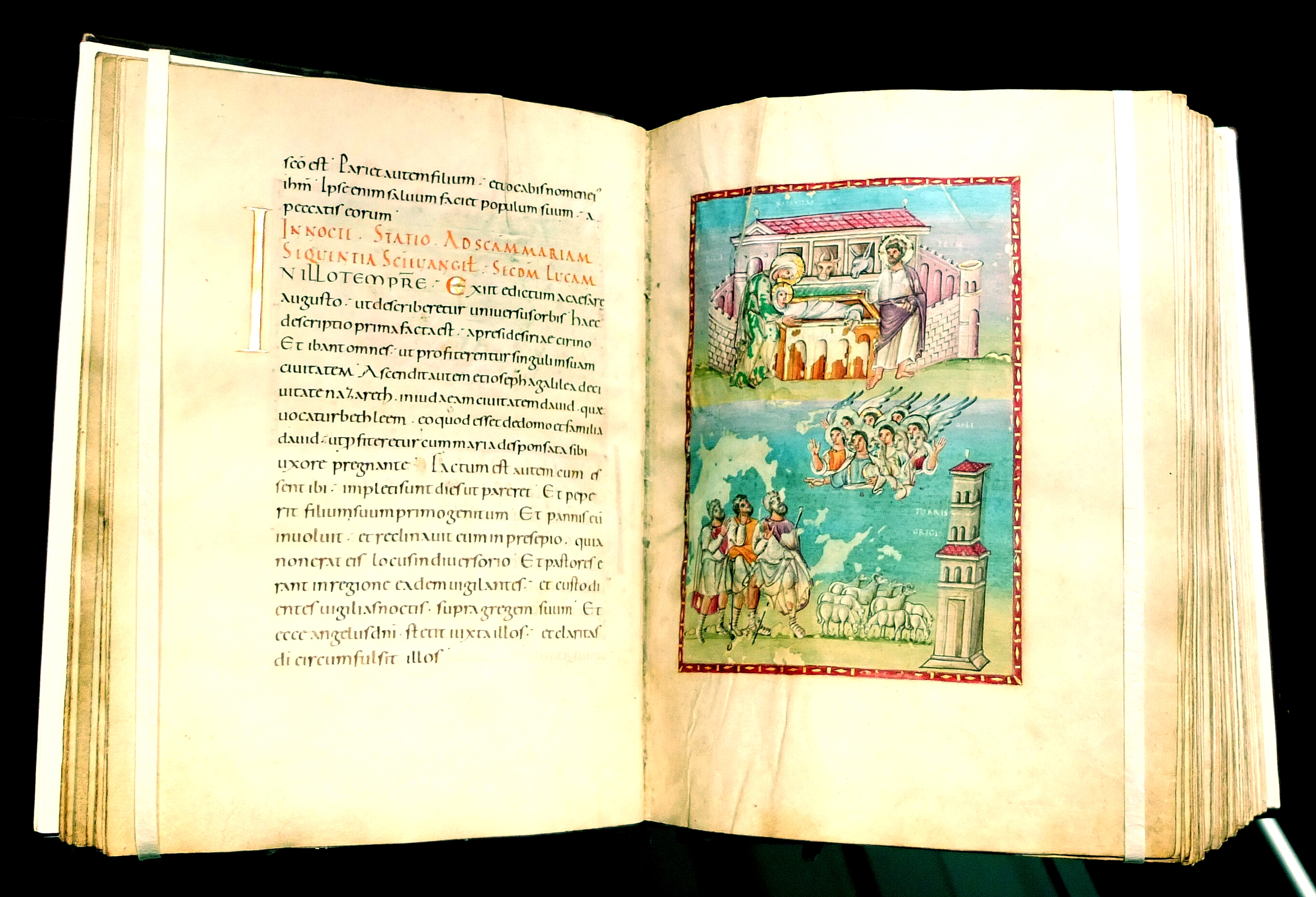 Visual Source: Wikimedia Commons / Photo by Palauenc05 (CC BY-SA 4.0)
Scholarly Consensus & Critical Synthesis
Scholarly consensus emphasizes that universal human flourishing (maqasid al-shariah) serves as the core compass for legal and ethical application.
Thematic Inquiry & Rational Demarcation
Islamic epistemological traditions emphasize that authentic conviction arises from illuminated reasoning rather than uncritical dogma. The core tenets of faith consistently invite humanity to observe, reflect, and deduce meaning from coherent evidence.
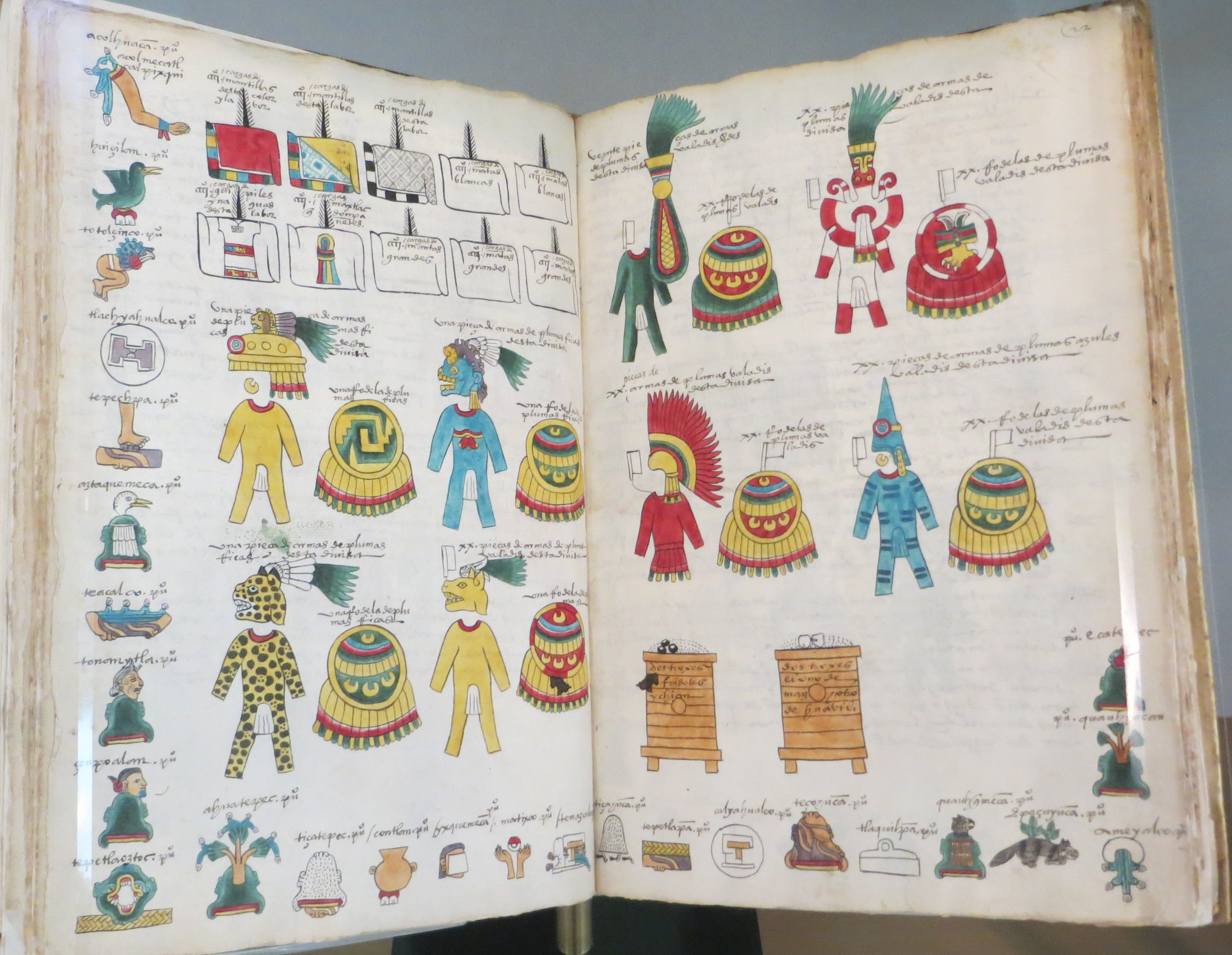 Visual Source: Wikimedia Commons / Photo by Jononmac46 (CC BY-SA 4.0)
Evidence Matrix & Epistemological Demarcation
[FACT] The Qur'anic text repeatedly mandates critical observation of natural phenomena and rigorous rational reflection (3:190-191). (Source: Al-Qur'an Surah Ali Imran: 190-191)
[EVIDENCE] The methodology of chain-of-transmission (sanad) and textual scrutiny (matn) demonstrates historical commitment to empirical verification. (Source: Kaidah Musthalah Hadits & Metodologi Kritik Teks)
[COUNTERARGUMENT] Claims that religious traditions are inherently anti-scientific are refuted by the historic integration of astronomy, mathematics, and medicine. (Source: Sejarah Sains Peradaban Islam)
[UNCERTAINTY] Human interpretations of non-definitive scriptural passages demand intellectual humility rather than absolute dogmatic imposition. (Source: Kaidah Ushul Fiqh: Al-Ijtihad wa al-Ikhtilaf)
Citation Chain & Primary Evidence Provenance
- Verified Secondary Study / Media: Peer-Reviewed Journal & Academic Study Review
- Primary Evidence (Tafsir / Manuscript / Textual Corpus): Qur'anic Corpus, Classical Exegesis & Ancient Manuscripts
- Independent Cross-Verification: Textual analysis independently cross-verified across primary records and academic scholarship.
Intellectual Boundaries: What This Does—and Doesn't—Prove
A rigorous inquiry must maintain strict demarcation between empirical data and theological interpretation:
- WHAT IT PROVES: The demonstrable rational coherence between divine revelation and objective, honest methodologies of inquiry.
- WHAT MUST NOT BE CLAIMED: Dynamic, evolving scientific models must not be dogmatically superimposed as definitive exegesis of revelation.
Primary References & Scholarly Sources
- Al-Qur'an Al-Karim & Kaidah Ushul Epistemologi Klasik — Classical Tafsir & Primary Scriptural Source (Tier 1)
- International Institute of Islamic Thought (IIIT) Academic Publications — Peer-Reviewed Journal (Tier 2)
Comments (0)
No comments yet. Be the first to join the discussion!