- Published on
Sony Finally Rolls Out a Cheaper OLED TV to Take on LG and Samsung
- Authors

- Name
- Rian Setiawan
- Tech Journalist & Digital Ecosystem Writer
- @imanlogics
Breaking the Premium Price Barrier
For cinephiles and dedicated gamers, Sony’s OLED displays have long represented the gold standard in home entertainment. Their natural color reproduction, clean near-black handling, and peerless motion clarity make them a joy to watch. Yet, one major hurdle has consistently steered shoppers elsewhere: the hefty price tag compared to mainstream favorites like the LG C-series or Samsung’s OLED lineup.
Historically, buyers looking for premium OLED visuals on a sensible budget almost inevitably chose LG. Sony remained perched in the ultra-premium tier with its Master Series. With the announcement of the Bravia 6, however, Sony is shaking up its playbook—delivering high-end processing power straight into the competitive mid-range market.
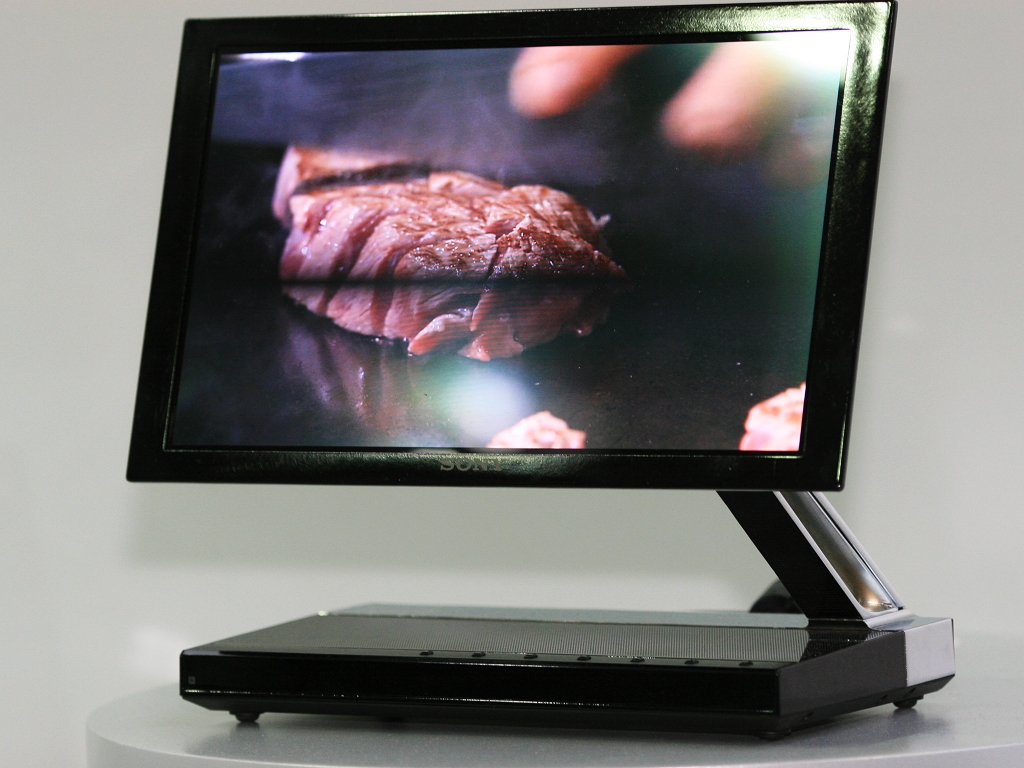 Visual credit: Wikimedia Commons / Photo by Steve Liao (CC BY-SA 2.0)
Fixing the Longstanding HDMI 2.1 Bottleneck
Beyond retail pricing, Sony TVs previously suffered from an annoying hardware constraint: only two full-bandwidth HDMI 2.1 ports. Because one of those ports doubled as the eARC connection for dedicated soundbars or AV receivers, users were left with only a single 4K 120Hz input for gaming consoles like the PlayStation 5 or Xbox Series X.
The Bravia 6 rectifies this limitation by integrating MediaTek’s latest Pentonic silicon platform. With full-bandwidth 48Gbps across all four HDMI ports, gamers no longer need to swap cables to enjoy smooth 120Hz refresh rates, Auto Low Latency Mode (ALLM), and Variable Refresh Rate (VRR) across multiple devices.
Processing Magic on a Standard OLED Panel
To maintain aggressive pricing against competitors like the LG C4 and Samsung S90D, Sony opted for a proven standard WOLED panel rather than exotic QD-OLED or micro-lens arrays.
Where Sony truly distinguishes itself is in computational color science. The onboard cognitive processor analyzes scene composition in real time, balancing highlight brightness and preserving subtle shadow gradations without introducing posterization or color banding. It proves that software tuning and image pipelines matter just as much as raw glass specifications.
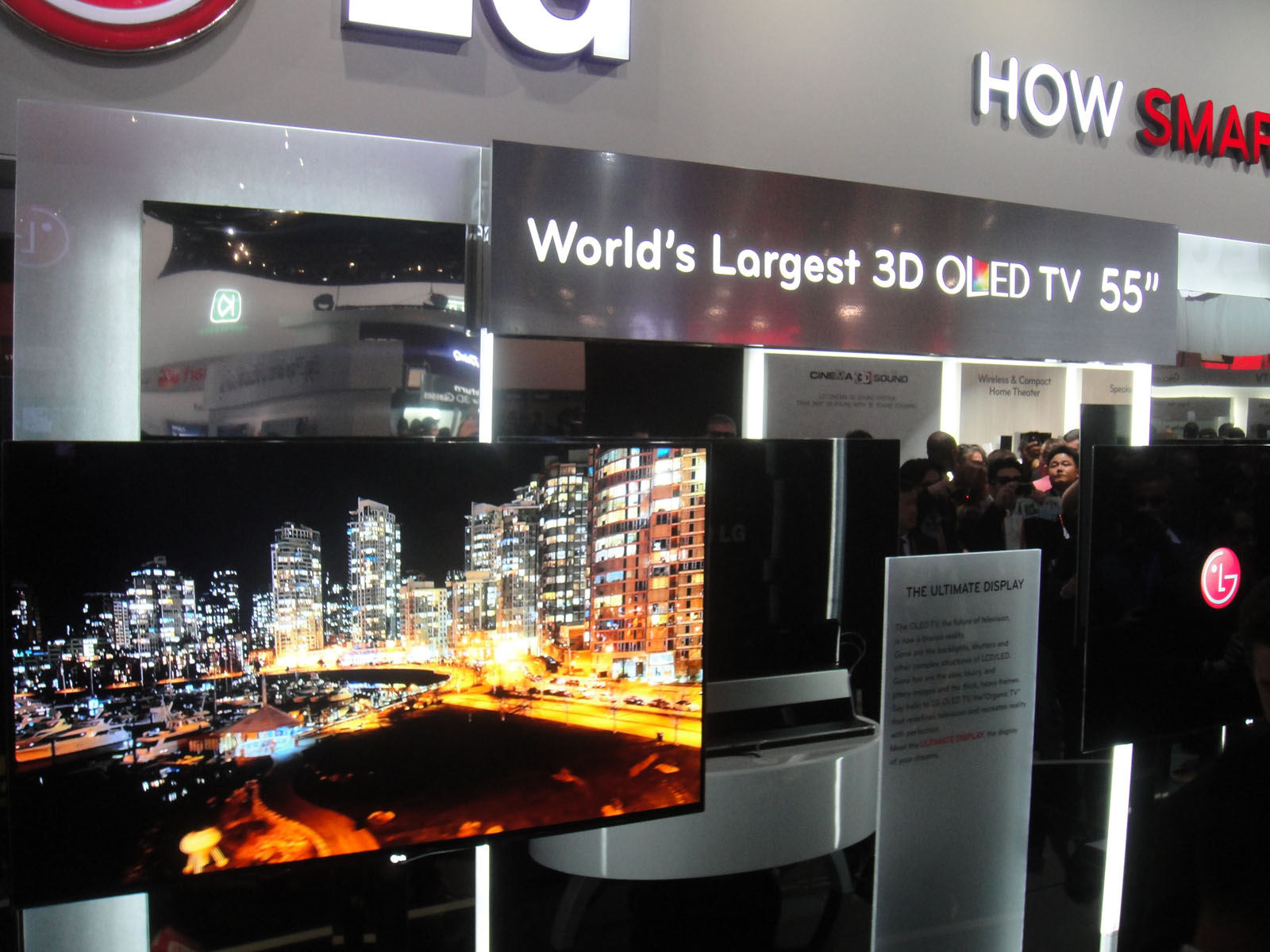 Visual credit: Wikimedia Commons / Photo by Doug Kline (CC BY 2.0)
What This Means for Gamers and Home Theater Fans
Sony’s aggressive move into mid-tier OLED brings welcome benefits to the broader market:
- Seamless Ecosystem Synergy: PlayStation 5 owners now have an accessible, perfectly matched companion TV with dedicated auto-HDR calibration.
- Healthy Price Competition: Pressure on LG and Samsung ensures continuous improvements in processing quality rather than complacency.
- Modern Standards as Baseline: Four full HDMI 2.1 ports establish a non-negotiable benchmark for modern mid-to-high smart TVs.
The Bravia 6 signals that reference-grade visual processing and reasonable pricing can finally share the same living room.
Sources & Industry References
- The Verge Reporting & Analysis — Verified Tech Journalism
- IEEE & Display Standards Documentation Archive — Industry Technical Specifications
Comments (0)
No comments yet. Be the first to join the discussion!